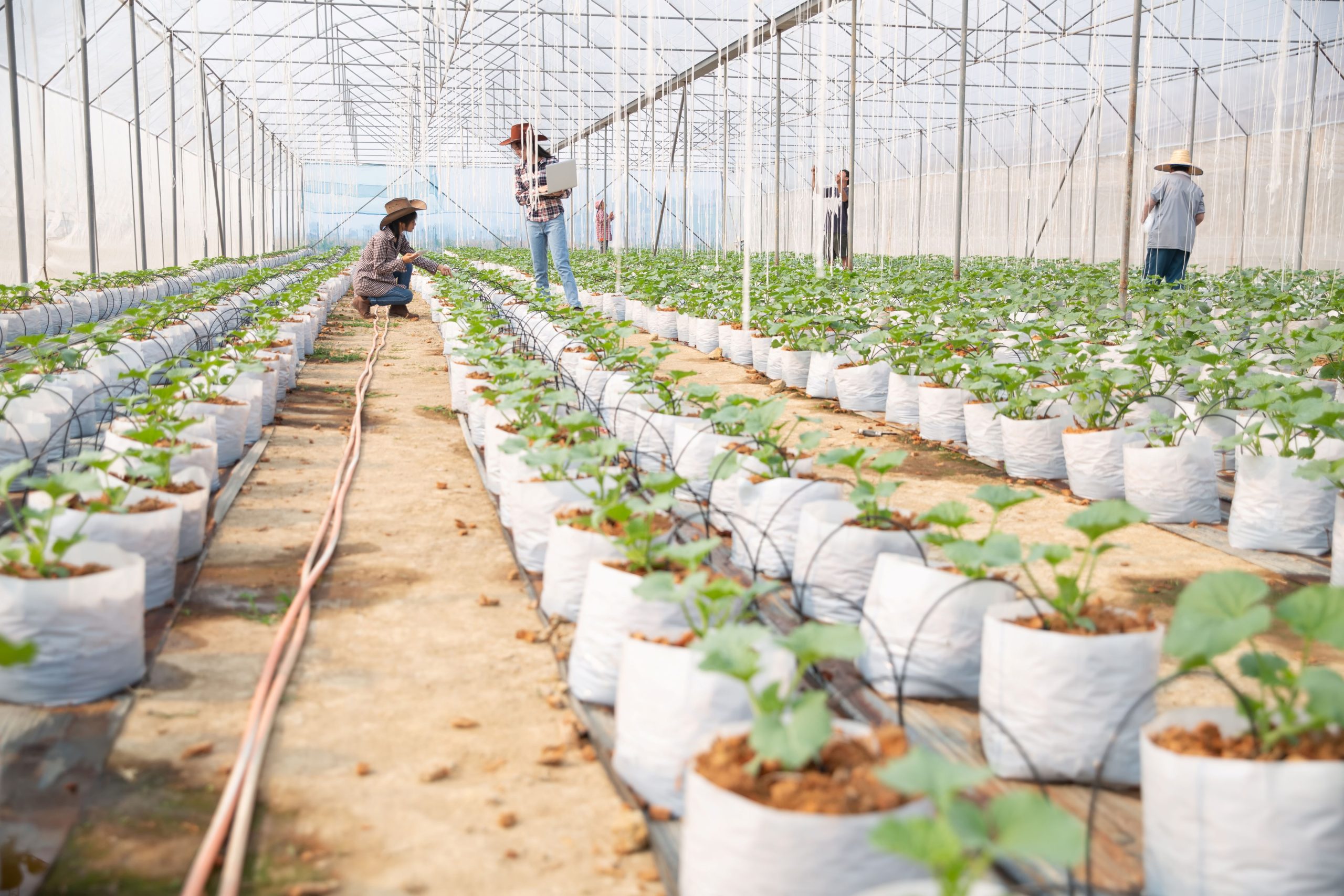
Ashwagandha, also known as “Indian Ginseng”, is a highly beneficial medicinal plant whose demand is rapidly increasing not only in India but also in international markets. Rich in medicinal properties, it is proving to be a financially rewarding crop for farmers.
✅ 1. Low Investment, High Profit
Ashwagandha cultivation requires minimal fertilizers, pesticides, or water. It grows well even in dry and low-water regions. This significantly reduces the production cost while offering high returns.
✅ 2. High Market Value
The roots of Ashwagandha are in great demand in the pharmaceutical and Ayurvedic industries. High-quality roots can fetch prices ranging from ₹70 to ₹150 per kilogram in the market.
✅ 3. Short Duration Crop
Ashwagandha takes only 5 to 6 months to mature. Compared to traditional crops, it provides faster returns, allowing farmers to earn income sooner.
✅ 4. Export Opportunities
The demand for Ashwagandha is steadily rising in the USA, Europe, and Gulf countries. With superior quality produce, farmers can earn good profits by supplying to international markets through exporters.
✅ 5. Promotion of Organic Farming
As a medicinal plant, Ashwagandha is well-suited for organic farming. With organic certification, farmers can sell their produce at higher prices.
If you’re looking for a low-cost, low-water, high-profit crop, Ashwagandha farming can be a golden opportunity. It not only offers strong financial returns but also contributes to preserving and promoting India’s Ayurvedic heritage.