

Climate change and declining water levels have created one of the biggest challenges for farmers today – the need to grow crops using minimal water. In this scenario, chia seed cultivation is emerging as an excellent and future-oriented alternative.
 1. Requires Less Water
Chia is a drought-tolerant crop that needs very little irrigation. It is especially beneficial in regions where water availability is limited. Typically, chia crops require irrigation only 2 to 3 times during their entire lifecycle.
2. Low Cost, High Profit
Due to its minimal water needs, low fertilizer requirements, and little to no need for pesticides, the cost of cultivating chia is significantly lower than traditional crops. On the other hand, chia seeds sell in the market for ₹150–₹300 per kg, making it a highly profitable venture.
3. Growing Demand for a Healthy Lifestyle
Chia seeds have earned the status of a superfood. They are rich in omega-3 fatty acids, fiber, protein, and antioxidants, which has led to increasing demand not just in India, but also in the USA, Europe, and other countries.
4. Climate Resilience
Chia cultivation can be done in dry and semi-arid regions. The crop is capable of withstanding high temperatures and low rainfall, making it a practical solution to the agricultural water crisis.
5. Suitable for Organic Farming
Chia farming requires minimal use of pesticides and chemical fertilizers, making it well-suited for organic cultivation. This allows farmers to achieve organic certification and fetch premium prices in the market.
Low irrigation, low cost, and high income – these are the reasons why chia seed farming has become an environmentally friendly and economically beneficial option. For farmers in water-scarce regions, this crop could prove to be a smart solution in the near future.
Economic Benefits of Ashwagandha Farming
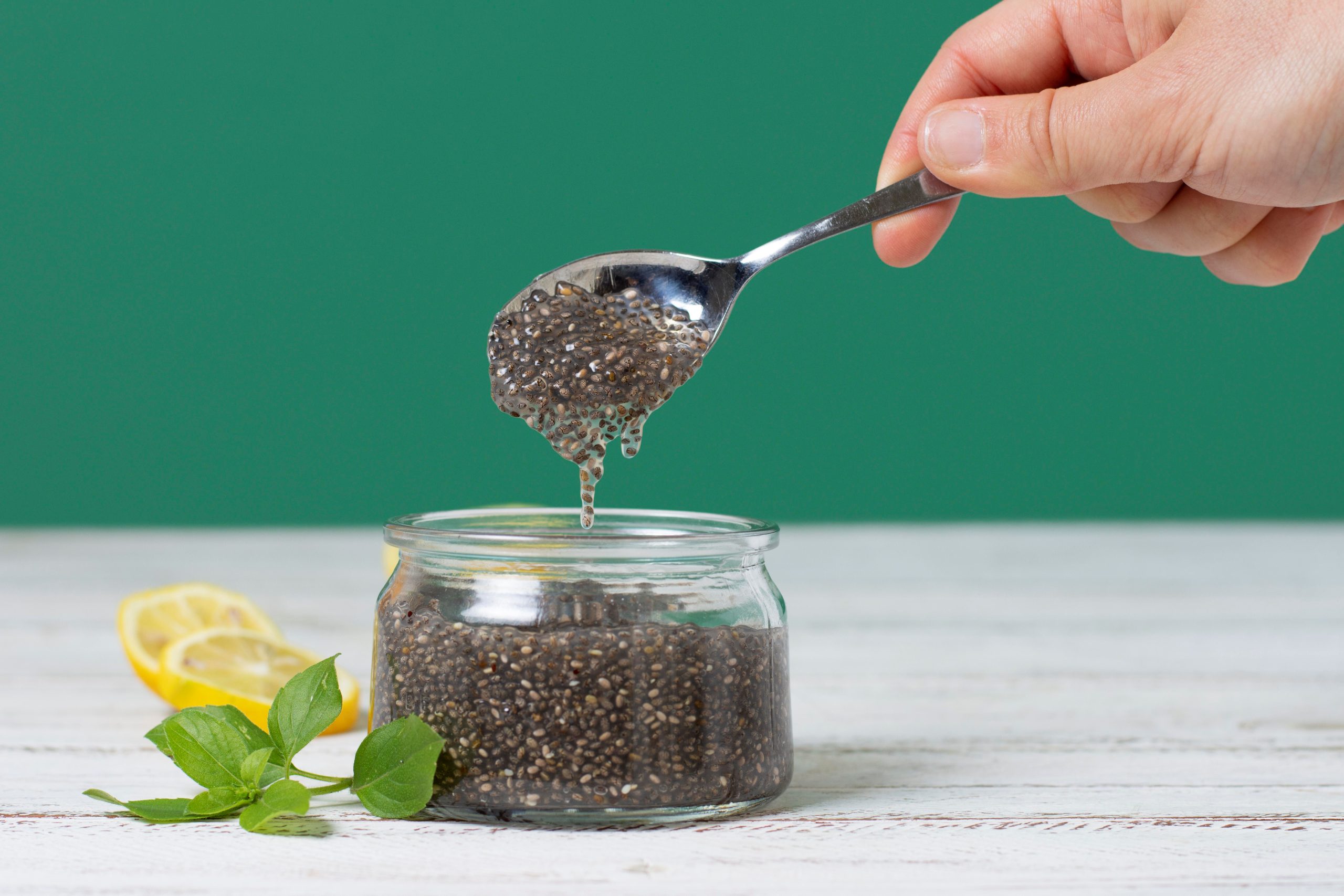
Why Chia Seeds Are an Excellent Option
Prosperity Through Medicinal Plant Cultivation
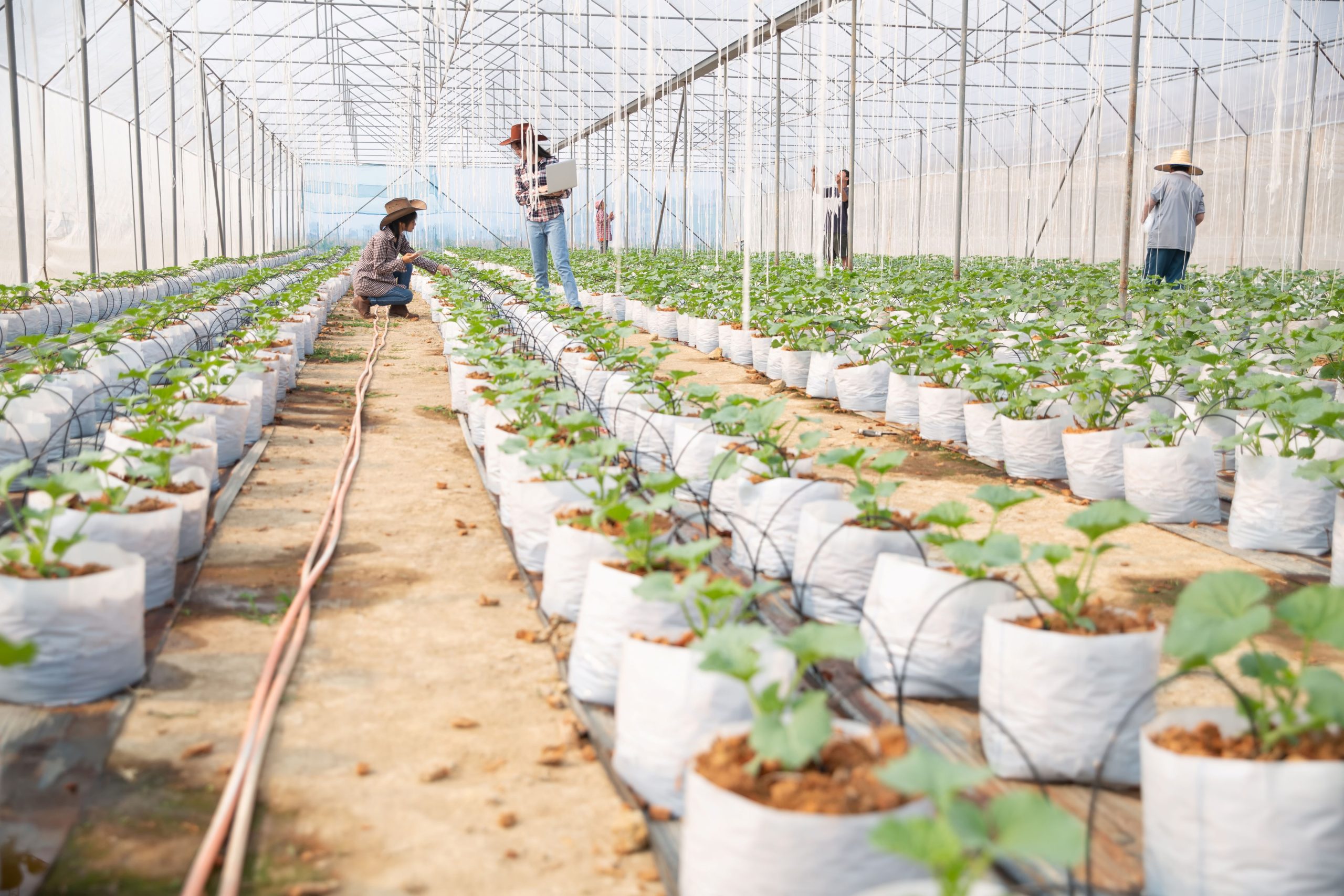
Increased Income and Greenery Through Kusum Cultivation

I live in a region where water is always scarce, and traditional crops just weren't sustainable anymore. After switching to Kusum cultivation, not only has my income improved, but my land also looks greener and healthier. It's truly a long-term, low-maintenance solution for farmers like us.